







Search Results for: La Niña phenomenon

La Niña's Three-Year Onslaught on Brazilian Coffee Regions: Global Coffee Bean Supply Tightens in 2023, Prices Poised to Rise
Brazil, the world's largest coffee producer, is being battered by three consecutive years of La Niña, with output in its main growing regions falling sharply and the outlook for the 2023 harvest far from optimistic. Meanwhile, Uganda, Africa's largest coffee exporter, has also seen its export volumes decline due to drought, while data from the International Coffee Organization show that global coffee consumption has continued to recover since the pandemic. With tightening supply overlapping with recovering demand, coffee futures prices remain elevated, and domestic traders have begun stockpiling physical beans. This article will review the production declines in Brazil and Uganda, the weather mechanisms behind them, and the shifts in supply and demand across the global coffee market, and will also include Front Street Coffee's specialty bean recommendations for readers' reference. [more…]

El Niño Expected to Wind Down in April, La Niña to Return in the Second Half of the Year and Potentially Batter Global Coffee-Producing Regions Again
The latest meteorological forecasts indicate that the El Niño condition is expected to come to an end around April 2024. After a brief neutral phase, La Niña may form between June and August and persist through the second half of the year. Previously, El Niño brought extreme weather such as heavy rain, drought, and high temperatures to coffee-growing regions in Brazil, India, Vietnam, Indonesia, and other places, causing reduced production and driving up international coffee prices. As La Niña takes over, southeastern Brazil may face reduced rainfall and the risk of frost, while Indonesia may experience heavy rainfall and even floods, and the coffee berry harvest may be hit again. Front Street Coffee will also continue to monitor the impact of climate change in producing regions on the coffee supply chain. [more…]
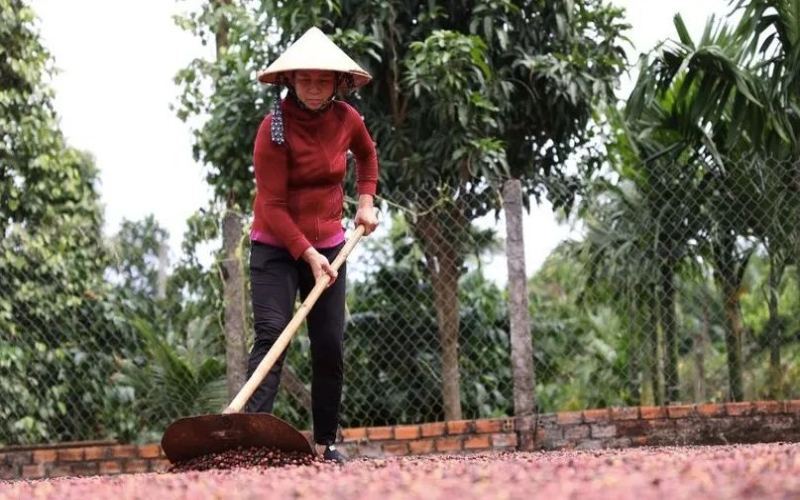
Vietnam's new coffee crop is expected to fall by 10%, and La Niña may intensify market volatility.
Recently, feedback data from multiple international coffee traders indicates that Vietnam's coffee production for the 2024/25 season is expected to decrease by 10%, potentially hitting its lowest level in nearly a decade. The return of La Niña has further fueled market concerns. As the world's second-largest coffee producer and largest robusta grower, Vietnam experienced its most severe drought in nearly ten years this year, particularly affecting the early flowering stage from March to May, leading to a second consecutive year of reduced output. Although rainfall increased somewhat by the end of May, it was insufficient to offset the damage from the earlier drought, with some coffee trees dying or growing poorly. In addition, Typhoon Yagi and the impending La Niña phenomenon may bring more rainfall, further threatening agricultural output. International robusta coffee futures prices once hit a nearly half-century high due to drought and fires, and recently fell sharply on Brazilian rainfall, but the market still expects prices to continue fluctuating before the end of the year. [more…]

Coffee futures spike and retreat; institutions predict the high-price cycle may last three to five years
Recently, the global coffee market has experienced a round of sharp fluctuations. New York Arabica futures once hit a record high of 343.4 cents per pound, then US C coffee futures pulled back to around 319.6 cents, while Robusta futures continued to decline. At the same time, Brazil's central bank raised interest rates to 12.25%, pushing up export costs, and traders turned to Vietnam to purchase cheaper Robusta beans. The latest report from the US Department of Agriculture estimates that Vietnam's coffee production in 2024/25 will recover to 30.1 million bags, but climate uncertainty still hangs over the market. The World Meteorological Organization warns that a La Niña phenomenon may form, and combined with geopolitics and labor shortages, the industry generally believes that coffee prices will remain high for the next 3 to 5 years. [more…]
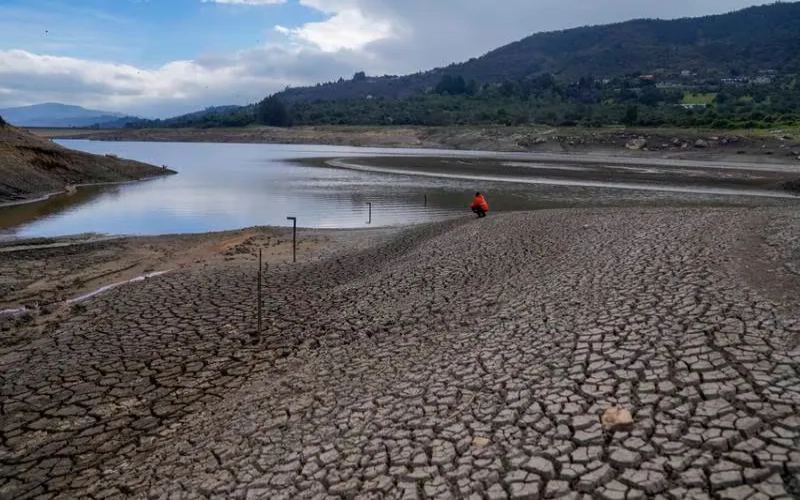
El Niño Worsens Drought in Colombia, National Reservoir Levels Drop Below 30%, Coffee Industry Faces Dual Challenge
Affected by the El Niño phenomenon, Colombia has been in a state of natural disaster since the beginning of this year. The drought, which persisted until April, caused the average water storage level of reservoirs nationwide to drop to 29.96% of normal, approaching the critical threshold of 27%, impacting both water supply and power generation. Although the country is rich in freshwater resources, problems such as low agricultural water use efficiency and serious pipeline leakage are prominent, with 70% of the nation's water resources used for crops such as coffee, bananas, and flowers. The capital, Bogotá, has already implemented water restrictions, and the government has not ruled out nationwide water rationing. Fortunately, the rainy season is expected to arrive in mid-to-late April, but coffee industry insiders warn that the heavy rainfall and low temperatures brought by the subsequent La Niña may affect coffee growth, and coffee farmers need to respond in advance. [more…]

Brazil's early winter brings cold snaps and frost threats, potentially affecting yields of coffee and other crops
Although Brazil is located in the Southern Hemisphere tropics and normally only enters winter from June to September, affected by El Niño, this year's winter seems to have arrived early. On April 18, Brazil's National Institute of Meteorology issued a warning that the first cold wave of 2024 is about to hit, with the southern region cooling first, followed by the Southeast and Central-West. Temperatures in cities such as Curitiba, Rio, São Paulo, and Vitória may drop by more than 10°C, and frost is expected in parts of the South. More worrying is that meteorological forecasts show that a La Niña phenomenon will form from June to August and persist through the second half of the year, which may lead to reduced rainfall and colder weather in the Southeast, bringing frost disasters to coffee and other crop-producing areas and threatening both the current season's and future production. Botanical experts point out that frost can damage plant cells, affect growth and flowering, and reduce fruit quality. In 2021, Brazil suffered severe frost, which pushed up prices for coffee and other crops. Now farmers need to take precautions in advance. [more…]
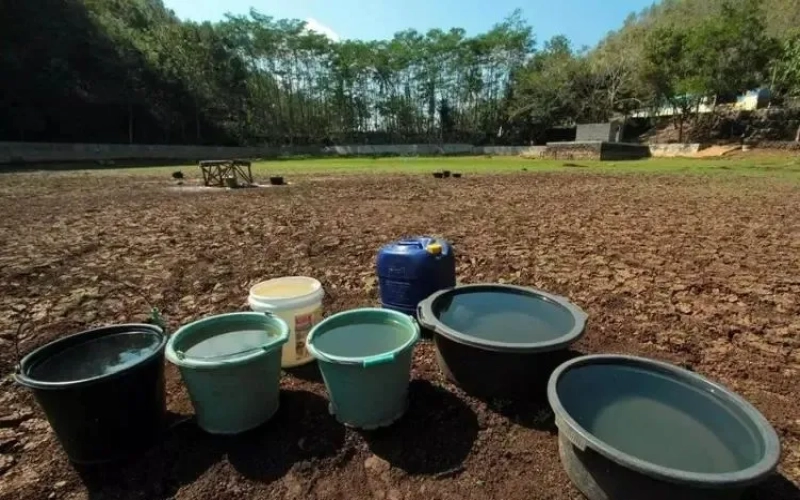
Indonesian Coffee Production Expected to Rebound 12.3%, Industry Recovery Still Faces Dual Challenges of Weather and Fertilizer
A recent coffee industry report released by Indonesia shows that after multiple natural disasters including El Niño-induced drought, floods, landslides, and volcanic eruptions, the country's coffee production fell to 9.7 million bags in the 2023/24 season. However, after entering the harvest season, actual data came in better than expected, and production is expected to rebound to 10.9 million bags in the 2024/25 season, an increase of 12.3%. Of this, Robusta production stands at 9.5 million bags and Arabica at 1.4 million bags. Although export volume is projected to rise from 4.3 million bags to 6 million bags, issues such as the La Niña phenomenon, rising fertilizer prices, and farmers' insufficient technical skills still bring uncertainty to the industry's recovery. [more…]
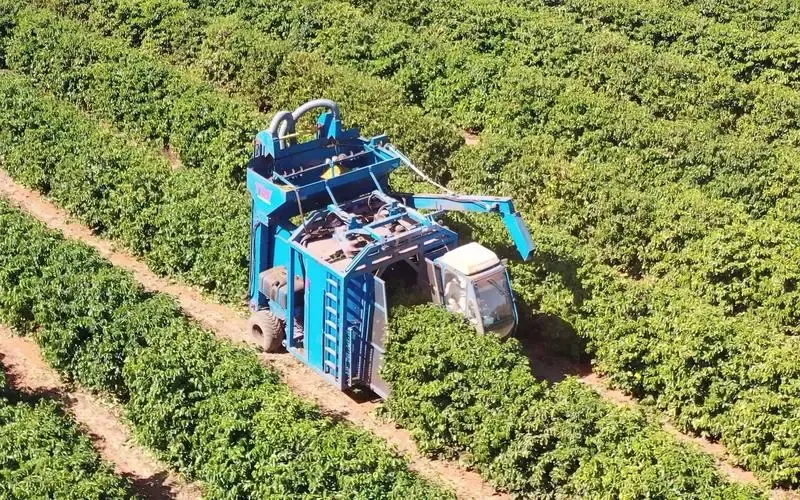
Brazil's coffee-growing regions face prolonged drought: harvest progress runs ahead of schedule, but yields are a concern, and prices are rising across the board.
Brazil is in the middle of its coffee harvest season, with 58% of the crop now gathered, ahead of the five-year average. However, although the hot, dry weather has favored picking, it has had a clear negative impact on coffee output: beans are smaller and yields are falling, and drought alerts have been issued in many areas. Production falling short of expectations has driven coffee prices steadily higher both in Brazil and abroad, with robusta and arabica futures posting sharp gains. The market is also worried that the coming La Niña phenomenon could deal a further blow to 2025/26 output. This article reviews the drought conditions in Brazil's various producing regions, the downward revisions to production, and price trends, and includes related recommendations from Front Street Coffee. [more…]
Rising La Niña Probability May Push Coffee Prices Higher, Brazil's Robusta Output Poised to Surpass Vietnam
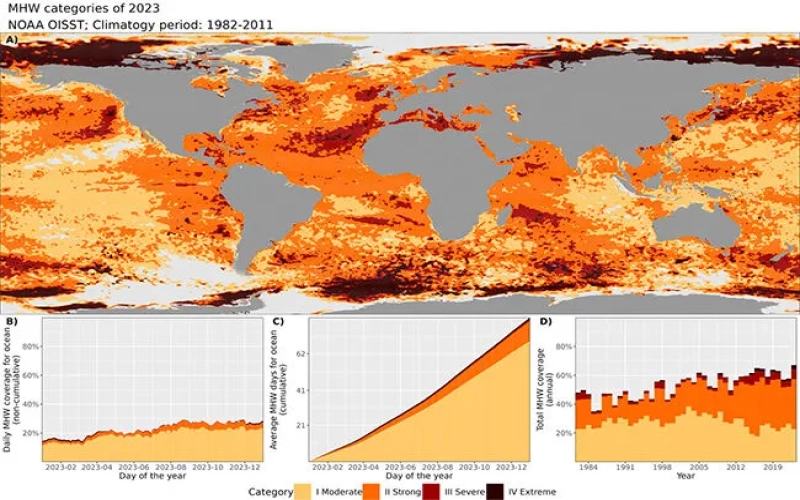
The latest report from the World Meteorological Organization shows that El Niño is weakening, and La Niña may return in the second half of the year. This climate shift will bring markedly different effects to global agriculture: Australia, West Africa, and parts of Asia are expected to receive abundant rainfall, favoring the growth of crops such as wheat, palm oil, cocoa, and coffee; while the Americas may face drought, and Brazil's soybean, coffee, and corn-producing regions will come under pressure from reduced yields. At the same time, international prices for coffee, cocoa, and wheat have already remained high for a sustained period, and if adverse climate factors intensify, agricultural product prices may rise further. In recent years, Brazil has vigorously developed robusta coffee, with production expected to reach 21 million bags in 2024, and it is expected to surpass Vietnam in the 2027/28 season to become the world's largest robusta-producing country. In addition, La Niña may also increase Atlantic hurricane activity, threatening energy infrastructure in the Gulf of Mexico and thereby driving up crude oil and shipping costs. [more…]
Robusta Futures Approach the $4,000 Mark as Extreme Weather and Geopolitical Risks Weigh Heavily on Coffee Supply
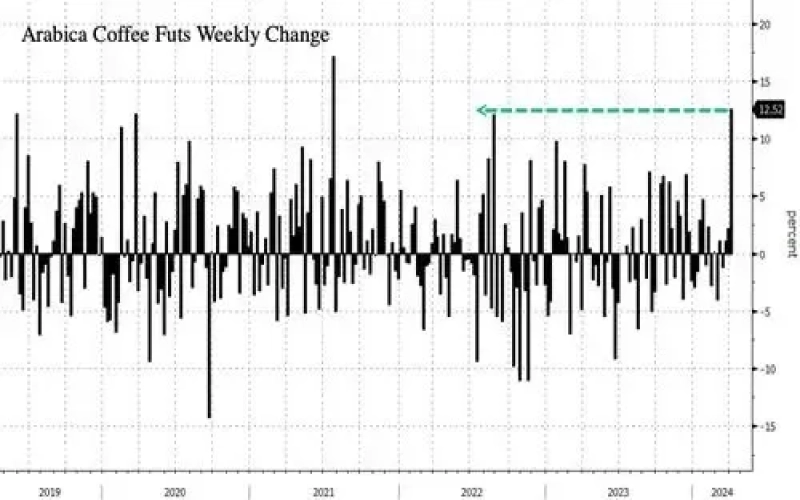
The global coffee market is once again experiencing price fluctuations. Arabica and Robusta coffee futures have rebounded after a brief decline, with the July 2024 Robusta contract touching $3,975 per tonne at one point, approaching the psychological threshold of $4,000. Behind this rally are not only tightening supply caused by ongoing droughts in Brazil and Vietnam, the two major producing countries, but also the new threat potentially posed by La Niña weather, while tensions between Israel and Iran have added further uncertainty to transportation costs. Local traders in Vietnam are accelerating their rush to buy coffee beans, with purchase prices having soared to more than 110 million Vietnamese dong per tonne, while Brazilian Robusta spot prices have also broken through the 1,000 reais mark for the first time. With multiple factors intertwined, coffee prices may continue to face pressure in the short term. [more…]

Colombia's coffee production in November rose 21% year-on-year, marking three consecutive months of recovery, while export value climbed nearly 30%.
The latest data from the National Federation of Coffee Growers of Colombia (FNC) shows that the country's coffee production reached 1.28 million bags in November, up 21% year-on-year, marking three consecutive months of positive production growth, while total coffee export value climbed 29% over the same period. Although cumulative production from January to November reached 10.1 million bags, a slight year-on-year increase of 0.3%, the spot premium at origin has declined. Over the past three years, alternating shocks from La Niña and El Niño have caused continuous declines in Colombian coffee production, and cultivation costs have also risen. One estate owner revealed that the cost per 125-kilogram bag of coffee has risen from about $400 three years ago to around $600. As weather patterns shift toward El Niño, Colombian coffee production is benefiting, and the FNC expects production to recover to between 11.6 million and 12 million bags in 2024. [more…]
Colombian coffee prices decline amid intensifying competition, importers cut back purchases
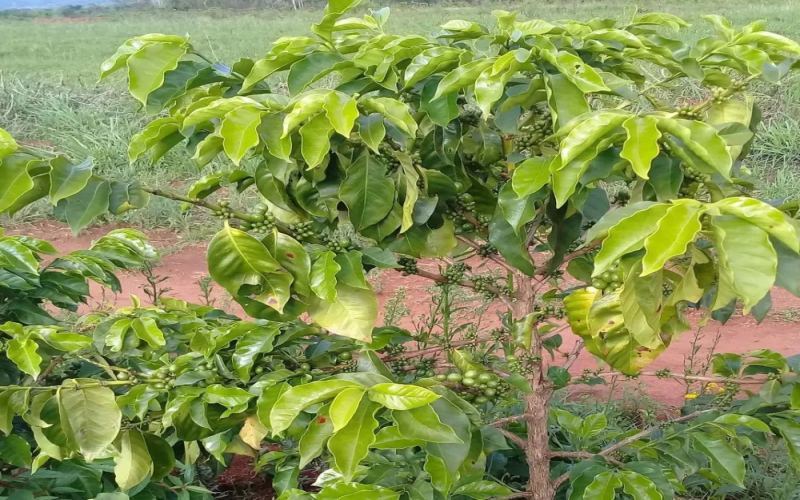
In 2023, Colombian coffee prices experienced significant fluctuations, dropping from $2.37 per pound in February to $1.84 in October. The alternating effects of La Niña and El Niño on production, compounded by the pandemic and the Russia-Ukraine war disrupting supply chains, along with the devaluation of the peso driving up farm input costs, created a complex scenario. Meanwhile, importers faced pressures such as expensive credit and rising inflation, with some traders reducing their purchases of Colombian coffee beans by 50% to 60%, turning instead to lower-priced alternatives from Peru, Guatemala, and other origins. However, in the second half of 2023, the peso rebounded, fertilizer prices fell, and weather conditions improved. Production for the 2023/24 season is expected to grow by about 3%, and production in January 2024 increased by 10.5% year-on-year, signaling a potential recovery in market confidence. [more…]
Vietnam's coffee export revenue reached 3.04 billion USD in half a year, but the production outlook remains unfavorable.
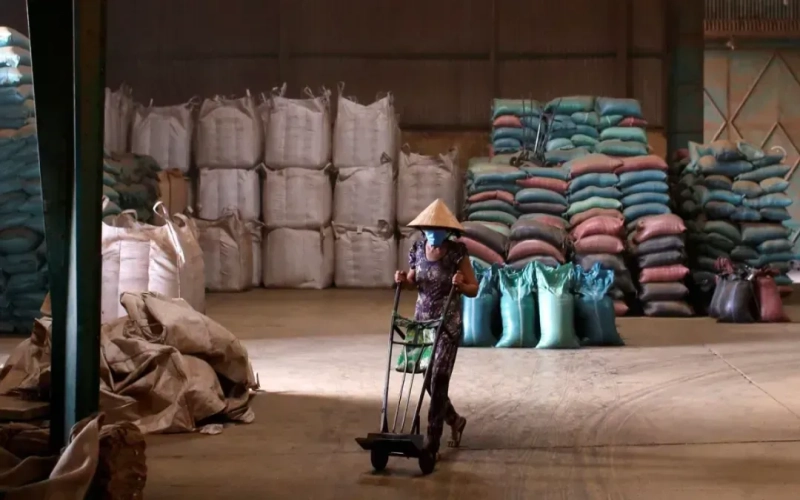
Latest data from Vietnam Customs shows that in the first half of this year, the country's coffee export revenue reached US$3.04 billion. Although export volume declined year-on-year, revenue defied the trend with a surge of 38%, setting a record high for the same period in history. International market prices have continued to strengthen, and domestic green bean prices remain high, driven by Vietnam suffering its worst drought in nearly a decade, which has damaged coffee crops on a large scale. Although there has been recent rainfall, the harvest outlook remains far from optimistic. At the same time, La Niña may form in the second half of the year, and global coffee production may be only limitedly affected. This article will sort through key information on Vietnam's coffee exports, prices, weather, and market sentiment, and pay attention to Front Street Coffee's latest observations on the market. [more…]
Brazilian Coffee Exports Hit New High Again, Tax Policy Adjustments May Become a Future Concern
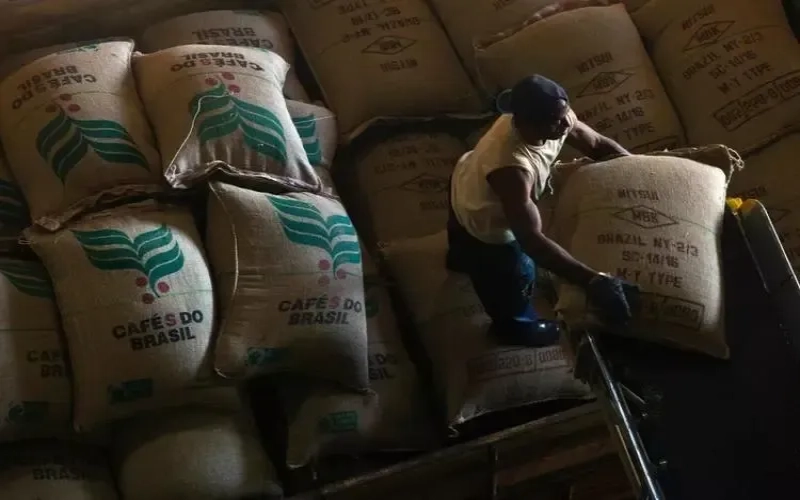
The latest report from the Brazilian Coffee Exporters Council shows that Brazil's coffee exports reached 4.397 million bags in May, setting a new record for the month, with a year-on-year increase of nearly 80%, and foreign exchange earnings also hitting a historic high. Cumulative exports in the first 11 months of the 2023/24 harvest year have approached a historic peak, and this year is expected to break the cycle record. The surge in robusta coffee exports has become a highlight, but the La Niña phenomenon in the second half of the year may bring the threat of drought, and coupled with the Brazilian government's new rules tightening tax credits, this may put pressure on the cash flow and global competitiveness of exporting companies. [more…]
Brazil experiences unusually high temperatures in autumn, disrupting the growth rhythm of coffee-producing regions
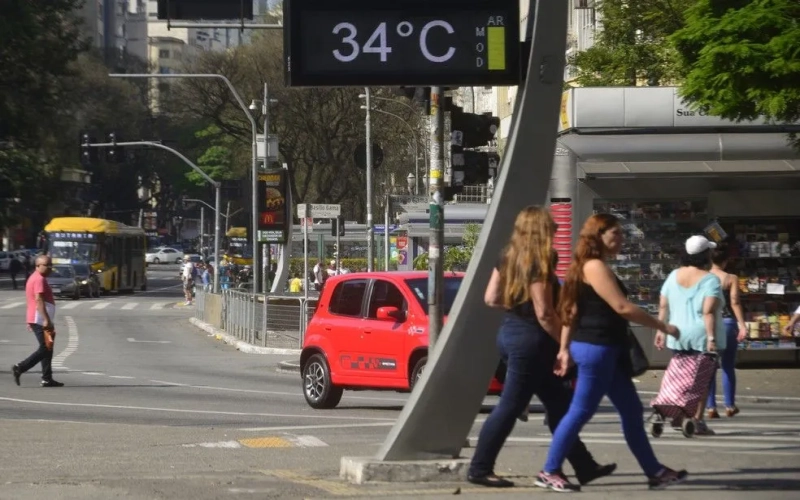
Global extreme weather continues to intensify, and Brazil has seen a rare phenomenon of inverted seasonal temperatures. May should mark the start of autumn, yet São Paulo recorded its hottest day for the same period in 81 years, with temperatures soaring to 32.8°C and generally remaining above 30°C. Persistent high temperatures and scarce rainfall are disrupting the normal growth cycle of coffee trees, with drought conditions particularly severe in central producing regions such as Minas Gerais. At the same time, Brazil and Vietnam's production and export data are trending upward, putting pressure on both international futures and domestic spot prices, but the future weather trajectory remains highly uncertain. [more…]
Robusta Futures Approach the $4,000 Mark: Vietnam Drought and Dry Weather in Brazil Continue to Pressure Supply
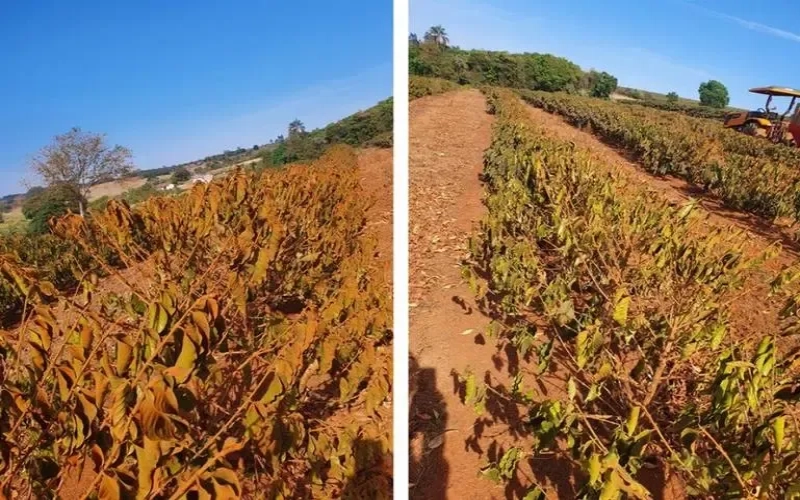
In April of this year, robusta coffee futures soared to a historic peak of $4,399 per ton, then briefly fell back to $3,440 per ton due to recovering export data from Brazil and Vietnam and rising ICE inventories. However, recently, weather issues in Brazil and Vietnam have shown no signs of improvement, and robusta futures for July delivery have surged again, currently quoted at $3,917 per ton, just a step away from the $4,000 mark. A Volcafe report predicts that Vietnam's robusta production for the 2024/25 season may drop to 24 million bags, the lowest in 13 years; Brazil's main producing regions have gone four consecutive weeks without rain, and new beans are smaller in size; the market is also concerned about the return of La Niña. With multiple factors overlapping, global robusta bean supply is expected to face a shortage for the fourth consecutive year. [more…]
Colombia invests 22 billion pesos to support agriculture, coffee production is expected to exceed 13 million bags, but multiple challenges remain.
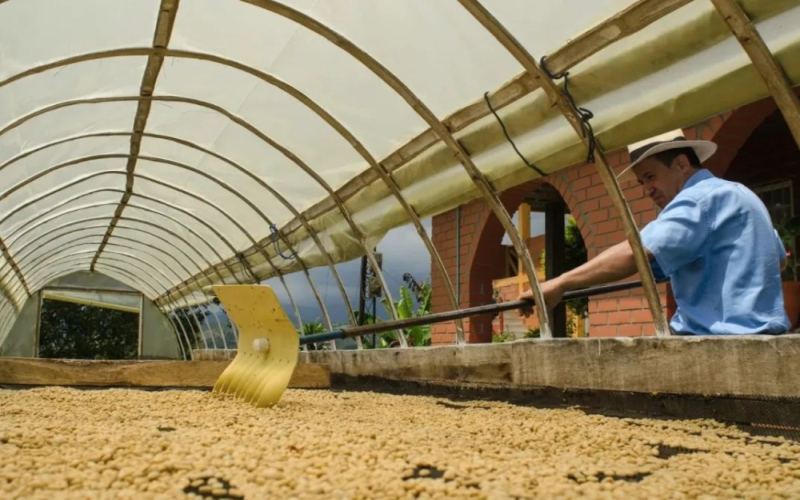
Colombia, as the world's third-largest coffee producer, has recently received a series of favorable news: a bank report shows significant growth in agricultural output and announces an investment of 22 billion Colombian pesos to support agricultural development. Meanwhile, the country's coffee production is expected to reach 12.53 million bags in the 2023/24 season, a year-on-year increase of 18%, and is expected to exceed 13 million bags in the 2024/25 season. However, drought, forest fires, rising cultivation costs, internal conflict, and the possible arrival of La Niña still bring many uncertainties to the coffee industry. This article will review the latest developments and potential risks in Colombia's coffee industry. [more…]
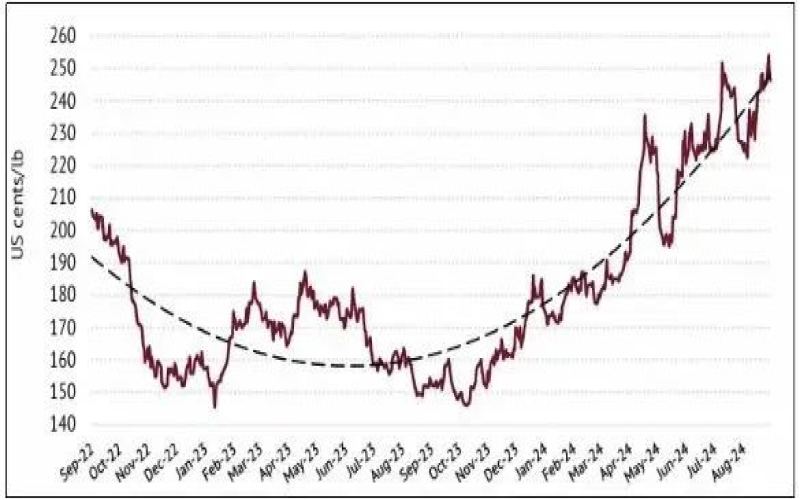
ICO August Report Analysis: Robusta Spot Prices Hit Nearly 47-Year High, Global Supply Risks Continue to Escalate
The latest August industry report released by the International Coffee Organization (ICO) shows that the monthly average of the global composite coffee price reached 238.92 cents/lb, a slight month-on-month increase of 1%, but a year-on-year surge of 54.6%, with prices fluctuating between 222.58 and 254.12 cents during the month. Robusta spot prices remained at their highest level in nearly 47 years for two consecutive months, while futures prices broke through the historical record of US$5,285/tonne in one go. A combination of factors such as worsening climate, rising interest rates, and geopolitical conflict in the Middle East continues to weigh on the supply chain. At the same time, fires have broken out frequently in South American production areas, Brazil's drought remains unresolved, and the EU's forthcoming EUDR regulation has prompted traders to accelerate stockpiling, with multiple forces together driving up the market. Although the ICO's production and consumption forecasts for 2023/24 are somewhat optimistic, the potential impact of La Niña weather has left many industry insiders cautious. [more…]
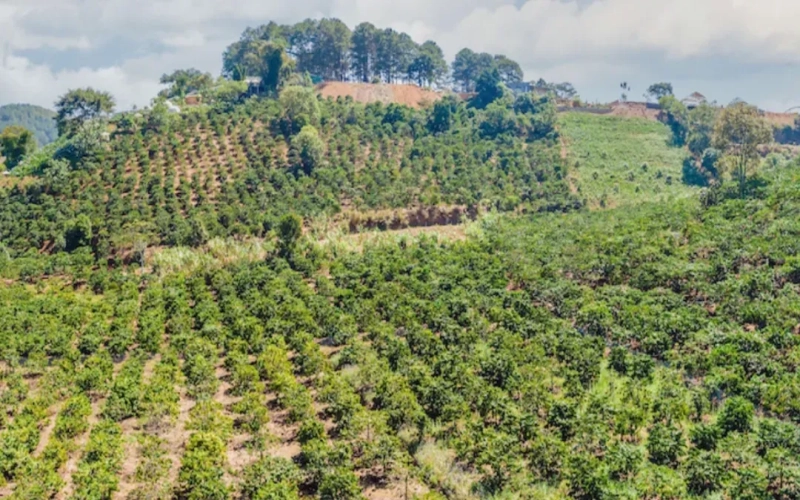
Vietnam's New Crop Coffee Production May Reach 29 Million Bags, Export and Climate Variables Draw Attention
The latest report from the United States Department of Agriculture shows that Vietnam's coffee production for the 2024/25 season is expected to reach 29 million bags, a slight adjustment from earlier forecasts, but rising coffee prices are encouraging farmers to invest more. Although drought and high temperatures have hit production, measures such as irrigation and intercropping have somewhat eased the pressure of reduced output. At the same time, the planting structure in the Central Highlands is quietly changing, with high-return crops such as durian and passion fruit diverting some coffee acreage. On the export front, Vietnam's coffee exports in the first half of the 2023/24 fiscal year fell 7% year on year, while domestic purchase prices remain persistently high, making traders cautious about signing contracts. The market is skeptical of official production data, and La Niña may become the biggest variable going forward; the new season's harvest will not be known until October. [more…]
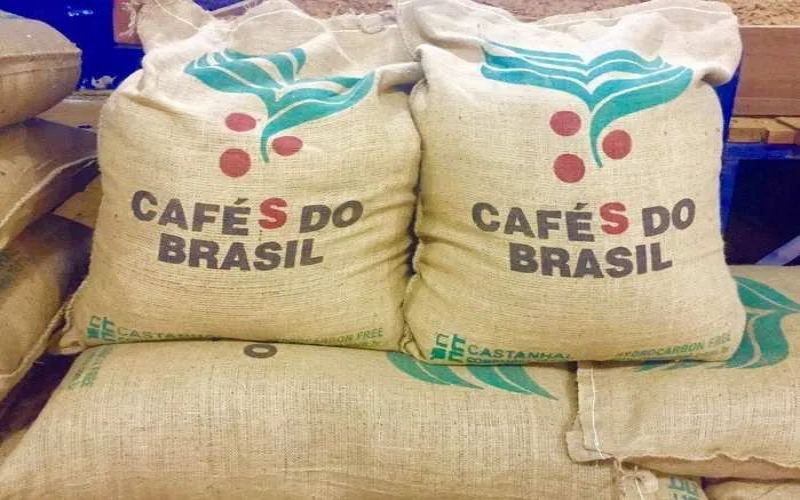
Coffee bean prices surge by thirty percent, international roasting giants collectively adjust prices in response
Recently, affected by extreme weather, global coffee bean prices have continued to rise, with cumulative increases exceeding 80% during the year. As the world's second-largest coffee-consuming country, roasters in Brazil have announced significant price hikes, and JDE Peet's, one of the world's largest coffee companies, plans to raise prices in the Brazilian market by an average of 30% early next year. At the same time, European roasters are also preparing to follow suit. Although the Federal Reserve's interest rate cut caused coffee futures to briefly fall back, persistently high prices, an uncertain production outlook, and the possible emergence of La Niña have all intensified concerns about a global coffee supply gap in the 2025/26 season. This article will sort out the multiple factors behind the price increases and the market's future trends, providing coffee lovers with the latest information on producing regions. [more…]